
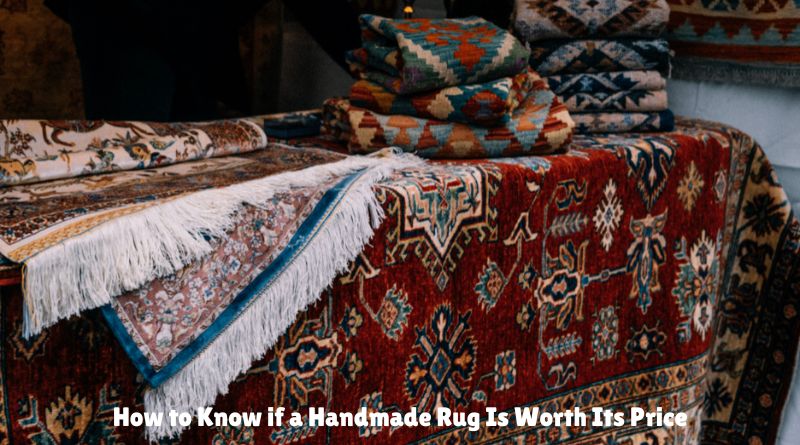
Handmade rugs vary enormously in value, and their price rarely reflects fashion or trends alone. It reflects time, expertise, material integrity, and cultural knowledge woven into every knot. Not every “handmade” label guarantees excellence, and not every expensive rug justifies the investment. Distinguishing true quality requires understanding how construction, materials, and artistry translate into long-term value. Many buyers start with trusted sources such as SayRUG, but regardless of where you shop, the principles of evaluating authenticity remain the same.
Materials That Justify the Investment
The foundation of any worthwhile handmade rug is its fiber. High-grade wool, silk, or combinations of both offer durability, elasticity, and depth of color. Wool from high-altitude regions is naturally more resilient and softer, while pure silk brings unmatched luminosity and precision to detailed motifs. Synthetic fibers, often used in factory-made imitations, cannot replicate the way natural materials age, breathe, or respond to light. If a rug uses premium wool or silk and the fibers feel springy rather than brittle, this is often a strong indicator that the piece deserves its price.
The Density and Precision of the Knotting
Knot count is one of the most reliable technical markers of value. Higher knot density allows for more intricate designs and smoother curves, much like pixel count in digital imagery. However, more knots do not automatically mean a better rug; the skill of the weaver matters just as much. Clean, consistent rows that lie flat show careful, patient craftsmanship. Uneven spacing, loose knots, or bulges reveal inexperienced work. When viewing curated selections like these collections of handmade rugs, you can often notice how refined pieces exhibit exceptional structural symmetry.
Dyes That Stand the Test of Time
Color is one of the most expressive elements of a handmade rug, and the type of dye used reveals a great deal about its value. Natural dyes—sourced from plants, minerals, and insects—tend to age gracefully, developing nuanced tones rather than fading harshly. They also penetrate fibers more gently, resulting in subtle variations known as abrash that collectors highly appreciate. Chemical dyes can still be high quality, but inconsistent application or overly artificial brightness often signals mass production. A rug worth its price has colors that feel deep, layered, and harmonious even up close.
The Cultural and Artistic Significance
A handmade rug is not only a physical object but a cultural document. Certain weaving regions, families, or artistic lineages carry centuries of tradition. Motifs, borders, and weaving techniques often have meanings that elevate the rug beyond décor. Understanding the origin helps explain its value: a rare tribal pattern, a discontinued weaving technique, or a master weaver’s unique style can significantly increase worth. True artistry is not simply about attractive design—it is about narrative, heritage, and mastery passed through generations.
Finishing Details That Reveal True Skill
The edges and back of a handmade rug offer honest insight into the weaver’s technique. Clean, tight selvedges prevent unraveling and show that the rug was finished with care rather than haste. Fringes that are part of the warp threads—not sewn on afterward—indicate authenticity. The back of the rug should display the motif clearly; if the pattern appears sharp and readable from behind, this usually indicates strong craftsmanship. These finishing touches rarely appear in low-quality or semi-handmade pieces.
Longevity and the Concept of “True Cost”
A handmade rug worth its price should last decades with proper care. High-quality wool self-cleans to a degree, and silk maintains its sheen for generations when treated gently. Rugs that wear beautifully over time, developing a soft patina rather than degrading, offer value far beyond the initial cost. The concept of “true cost” comes into play here: a cheaper rug that must be replaced every few years becomes far more expensive in the long run, while a well-crafted handmade piece becomes a lasting asset.
Why Provenance and Transparency Matter
Documentation, or at least transparent information, is crucial. A rug should come with details about where it was made, what materials were used, and ideally the weaving technique. Reputable sellers provide this willingly, because authenticity increases the rug’s value rather than conceals it. When these details are vague or avoided, the price may not be justified. Trusted marketplaces specializing in artisanal craftsmanship make this information a priority, giving buyers confidence that the piece they choose is genuinely worth its cost.
A handmade rug earns its price through the combination of material excellence, technical mastery, cultural depth, and long-term durability. When these elements align, the result is not merely a decorative object but a functional piece of art that enriches a home for generations. Knowing what to look for empowers buyers to invest wisely—and to appreciate the profound skill woven into every knot.